
In this article, we will explore various innovative and eco-friendly alternatives to plastic wrap for storing food. As the need for sustainable practices becomes increasingly urgent, it’s essential to consider how we can reduce our reliance on single-use plastics. We will provide ideas and suggestions for materials and methods that not only help preserve your food but also contribute to a greener planet. From beeswax wraps to glass containers, discover practical ways to keep your food fresh without the environmental impact of plastic.
Benefits of Going Plastic-Free
Transitioning to a plastic-free lifestyle offers numerous benefits, both for the environment and for individual health. With plastic pollution becoming an increasingly pressing issue, reducing reliance on single-use plastics can significantly contribute to a cleaner planet. Here are some key advantages:
- Environmental Impact: Reducing plastic waste lowers pollution levels in oceans and landfills, helping protect wildlife and natural ecosystems.
- Health Benefits: Many plastics contain harmful chemicals that can leach into food. By using plastic-free alternatives, you can avoid potential health risks.
- Cost Savings: While the initial investment in reusable alternatives may be higher, they often save money over time as they can be used repeatedly.
- Sustainability: Emphasizing sustainable practices promotes a healthier planet for future generations.
Alternative Food Storage Solutions
When it comes to storing food without plastic, there are numerous alternatives available. Here are some popular options:
- Glass Containers: Ideal for both storage and cooking, glass containers are durable and do not leach chemicals.
- Stainless Steel Jars: Perfect for dry goods, stainless steel is environmentally friendly and highly durable.
- Beeswax Wraps: A natural alternative to cling film, these wraps keep food fresh while being biodegradable.
- Fabric Bags: For fruits and vegetables, reusable fabric produce bags are a great choice.
Reusable Containers Overview
Reusable containers come in various materials and designs, each offering unique benefits. Here’s a closer look at some of the most popular types:
- Glass Containers: Available in a variety of sizes, these containers are perfect for meal prep, leftovers, and even freezing food. They are microwave and dishwasher safe.
- Silicone Bags: These flexible bags can be used for marinating, freezing, and storing food. They are easy to clean and can withstand high temperatures.
- Stainless Steel Containers: Known for their durability, these containers are excellent for on-the-go meals and snacks. They are also resistant to rust and corrosion.
DIY Food Wraps
Creating your own food wraps can be an enjoyable and environmentally friendly project. Here’s a step-by-step guide on how you can make your own beeswax wraps at home:
- Gather Materials: You’ll need cotton fabric, beeswax, pine resin, and jojoba oil.
- Prepare the Fabric: Cut the cotton fabric into your desired sizes, ensuring they are clean and dry.
- Melt the Beeswax: In a double boiler, melt the beeswax, pine resin, and jojoba oil together until they are well combined.
- Apply the Mixture: Place the fabric on a baking tray lined with parchment paper. Brush the melted mixture onto the fabric evenly.
- Dry the Wraps: Allow the wraps to cool and harden before using them to store your food.
Best Practices for Food Preservation
To maximise the shelf life of your food, consider these best practices for food preservation:
- Keep It Cool: Store perishables in the refrigerator or freezer to slow down spoilage.
- Use Airtight Containers: Ensure that containers are airtight to prevent moisture and air from spoiling your food.
- Label and Date: Always label your stored items with dates to track freshness and avoid waste.
- Rotate Stock: Use older items first to ensure nothing goes to waste.
Tips for Reducing Food Waste
Reducing food waste is crucial for both environmental sustainability and cost savings. Here are some effective strategies:
- Plan Your Meals: Create a weekly meal plan to avoid buying unnecessary items.
- Shop Smart: Buy only what you need, and opt for bulk purchases of non-perishable items.
- Use Leftovers Creatively: Incorporate leftovers into new meals to minimize waste.
- Compost: Consider composting food scraps instead of throwing them away, turning waste into nutrient-rich soil.
Eco-Friendly Storage Materials
Choosing eco-friendly materials for food storage is essential for reducing your environmental footprint. Some options include:
- Glass: A sustainable choice, glass is recyclable and doesn’t leach chemicals.
- Stainless Steel: Highly durable and recyclable, it’s a great alternative for containers and utensils.
- Bamboo: Naturally antibacterial and biodegradable, bamboo is a renewable resource.
- Organic Cotton: Used for reusable produce bags and wraps, organic cotton is free from harmful chemicals.
Conclusion: Embracing Sustainability
Embracing a plastic-free lifestyle not only benefits the environment but also promotes healthier living. By exploring alternative food storage solutions, utilising reusable containers, and adopting best practices for food preservation, you can make a significant impact. Additionally, don’t forget to check out our product section on the website for more eco-friendly options. Every small change contributes to a larger movement towards sustainability, making a healthier planet for future generations possible.
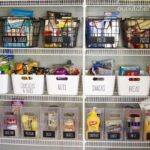 How to Keep a Pantry Fresh and Pest-Free
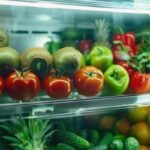 How to Store Fresh Produce Without Waste
 How to Store Bulk Foods Neatly