
This article will delve into effective strategies for storing bulk foods in a tidy and organized way. We will cover a range of storage options, tips for maintaining freshness, and ideas for maximizing space in your pantry or kitchen. Whether you’re accumulating grains, legumes, or dried fruits, these suggestions will enable you to keep your bulk foods within reach and well-arranged, ensuring you fully utilize your supplies.
Choosing the Right Containers
When it comes to storing bulk foods, selecting the appropriate containers is crucial. The right containers not only help keep your food fresh but also ensure that your storage area is organised. Here are some key factors to consider:
- Material: Choose containers made of food-safe materials such as glass, stainless steel, or BPA-free plastic. Glass containers are excellent for visibility and don’t retain odours.
- Size: Opt for containers that fit your storage space and accommodate the quantity of food you plan to store. Larger containers are suitable for bulk items, while smaller ones can be used for portioning.
- Sealing Mechanism: Look for airtight containers to protect your food from moisture and pests. Silicone seals or locking lids are ideal for preventing air from entering.
Organising Your Storage Space
An organised storage space can significantly enhance your efficiency in accessing bulk foods. Consider the following tips to optimise your storage area:
- Group Similar Items: Store similar foods together, such as grains, legumes, and spices. This method makes it easier to locate what you need.
- Use Shelving: Install shelves to take advantage of vertical space. Place heavier items on lower shelves and lighter items higher up.
- Designate a Bulk Area: Allocate a specific section of your pantry or kitchen for bulk food items to keep them separate from everyday groceries.
Labeling for Easy Access
Labeling your containers is an essential step in maintaining an organised storage system. It not only helps you quickly find items but also keeps track of expiry dates. Here are some effective labelling methods:
- Use Clear Labels: Ensure that labels are easy to read and include the name of the food item and the date of purchase.
- Colour Coding: Implement a colour-coding system to differentiate between types of food, such as grains, legumes, and snacks.
- Digital Labelling: Consider using a label maker or printable labels for a professional look and improved durability.
Maintaining Freshness
To keep your bulk foods fresh for an extended period, consider the following preservation techniques:
- Store in a Cool, Dark Place: Keep your containers in a pantry or cupboard away from sunlight and heat sources to prevent spoilage.
- Regularly Check for Pests: Inspect your storage area and containers for signs of pests. Use bay leaves or diatomaceous earth to deter insects naturally.
- Use Mylar Bags: For long-term storage, consider using Mylar bags with oxygen absorbers. They provide an excellent barrier against moisture and oxygen.
Utilising Vertical Space
Maximising vertical space can significantly enhance your storage capabilities. Here are some ideas to make the most of what you have:
- Stackable Containers: Invest in stackable containers that can be easily arranged to save space.
- Wall-mounted Shelves: Install wall-mounted shelves to store smaller items like spices or snacks within easy reach.
- Over-the-door Organisers: Use over-the-door racks in your pantry or cupboards for additional storage without taking up floor space.
Tips for Long-Term Storage
When storing bulk foods for the long haul, it’s essential to implement specific strategies:
- Freeze Bulk Items: For items like grains, legumes, and nuts, freezing for a few days before storage helps kill any potential pests.
- Vacuum Sealing: Vacuum seal containers or bags to remove air and extend the shelf life of your bulk foods.
- Rotate Stock: Follow the FIFO (First In, First Out) principle by using older items first to prevent spoilage.
Managing Inventory Effectively
Keeping track of your bulk food inventory can help prevent waste and ensure you always have what you need on hand. Here are some effective methods:
- Inventory List: Maintain a written or digital inventory list of your bulk food items, including quantities and expiry dates.
- Regular Audits: Conduct regular checks of your inventory to identify what needs to be used up or restocked.
- Utilise Apps: Consider using food inventory management apps that can help you track your stock and notify you when items are running low.
Creative Storage Solutions
Get imaginative with your bulk food storage to make the most of your space. Here are some creative ideas:
- Repurposed Containers: Use old glass jars, tins, or baskets to store smaller items like nuts or dried fruits. They can add a decorative touch as well.
- Magnetic Spice Jars: Use magnetic jars on your fridge or a magnetic board for easy access to spices.
- DIY Shelving Units: Construct your own shelving units using pallets or crates, allowing for a custom fit in your storage area.
In conclusion, storing bulk foods neatly and efficiently not only helps keep your kitchen organised but also extends the shelf life of your food. By choosing the right containers, organising your space, labelling effectively, and maintaining freshness, you can ensure that your bulk food storage serves you well. Don’t forget to check out our product section on the website for helpful storage solutions that can enhance your food organisation journey!
 How to Store Leftover Soup Safely
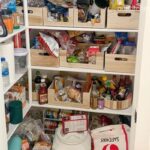 How to Reorganize a Messy Pantry
 How to Declutter Cookbooks and Recipes