
This article will delve into effective strategies for maintaining a fresh and pest-free pantry. From proper storage techniques to selecting the right foods, we will discuss a variety of ideas and suggestions that can assist you in creating an organized and hygienic space. Whether you’re confronting common pantry pests or merely seeking to enhance your food storage habits, these tips will equip you with the knowledge necessary to keep your pantry in optimal condition.
Choosing the Right Storage Solutions
When it comes to maintaining a fresh and pest-free pantry, the first step is to select the right storage solutions. Choosing the optimal containers for food storage is crucial in keeping your pantry organised and free from unwanted visitors.
Optimal Containers for Food Storage
Utilising containers that are designed specifically for food storage can make a significant difference. Consider the following options:
- Glass Jars: Ideal for grains, cereals, and snacks. They are non-toxic, reusable, and allow you to see the contents easily.
- Plastic Containers: Lightweight and versatile; make sure they are BPA-free and have airtight seals.
- Metal Tins: Great for items like tea, coffee, and spices. They keep contents fresh while adding a stylish touch to your pantry.
Airtight Options to Prevent Pests
Airtight containers are essential to prevent pests from invading your pantry. Look for containers specifically labelled as airtight, as these will deter moisture and pests alike. Remember, even the smallest gaps can allow pests to invade, so ensure your containers are sealed properly.
Regular Cleaning Practices
Maintaining a tidy pantry is key to preventing pest infestations and ensuring the longevity of your food items.
Importance of a Tidy Pantry
A clean pantry not only looks good but also helps you easily identify any potential issues, such as stale food or signs of pests. Regularly cleaning and organising your pantry can prevent problems before they arise.
How Often to Clean
Aim to clean your pantry at least once every three months. However, if you notice spills or crumbs, it’s a good idea to address these immediately. Regular checks will keep your pantry in top shape and help maintain freshness.
Monitoring for Pests
Keeping an eye out for pests is crucial in maintaining a healthy pantry.
Signs of Pest Infestations
Be vigilant for any signs of pests including:
- Visible insects or larvae
- Webbing or nests
- Holes in packaging or containers
- Unusual droppings or stains
If you notice any of these signs, it’s essential to act quickly to minimise the issue.
Preventative Measures to Take
To keep pests at bay, consider implementing the following preventative measures:
- Store food in airtight containers
- Keep pantry shelves clean and dry
- Regularly check for expired items
- Seal any cracks or gaps in pantry walls and floors
Food Rotation and Shelf Life
Understanding how to manage food rotation and shelf life can significantly reduce waste and ensure freshness.
FIFO Method for Freshness
The FIFO (First In, First Out) method is an effective strategy for food rotation. Place new items behind older ones, ensuring that older items are used before they expire. This simple practice can help maintain the quality of your food and reduce waste.
Best Before and Use-By Dates
It’s crucial to understand the difference between best before and use-by dates. Best before dates indicate quality, while use-by dates are related to safety. Always check these dates before consuming food items, especially if they’ve been stored for a while.
Natural Repellents and Deterrents
If you prefer a more organic approach to pest control, consider using natural repellents.
Herbs and Spices That Repel Pests
Certain herbs and spices are known to deter pests. You might want to consider including the following in your pantry:
- Bay Leaves: Effective against pantry pests like weevils.
- Mint: Its strong scent repels ants and other insects.
- Cinnamon: Not only does it smell great, but it can also deter cockroaches.
DIY Pest Deterrent Solutions
Creating your own pest deterrents can be both effective and cost-efficient. A simple mixture of water and essential oils, such as peppermint or tea tree oil, can work wonders. Spray this mixture around your pantry to keep pests at bay.
Organising Your Pantry Efficiently
An organised pantry not only enhances functionality but also contributes to a fresher environment.
Categorising Food Items
To maximise efficiency, categorise your food items. Consider grouping by:
- Type (grains, canned goods, snacks)
- Usage (daily essentials, occasional items)
- Expiry dates (short-term vs long-term storage)
Maximising Space for Easy Access
Use shelf risers and bins to create more space. Store frequently used items at eye level and less common items higher up or at the back. This ensures easy access while maintaining a neat appearance.
Seasonal Pantry Maintenance Tips
As seasons change, so should your pantry’s contents and organisation.
Preparing for Seasonal Changes
When transitioning between seasons, take the opportunity to review and reorganise your pantry. Remove any expired items and consider adjusting your stock to include seasonal ingredients like winter spices or summer fruits.
Stocking Up Wisely During Sales
Sales can be a great opportunity to stock up on essentials. However, be mindful of shelf life and only purchase items you will use. Plan your pantry purchases to avoid overbuying, which can lead to waste.
In conclusion, maintaining a fresh and pest-free pantry is a continuous process that requires attention and effort. By implementing the strategies outlined above, you can ensure your pantry remains an organised and healthy space. For more ideas and inspiration, feel free to check our product section on our website as you embark on your pantry organisation journey!
 How to Store Fresh Produce Without Waste
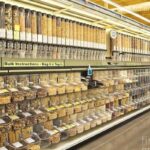 How to Store Bulk Foods Neatly
 How to Store Leftover Soup Safely