
This article delves into the best practices for washing reusable food bags to guarantee they stay hygienic and in excellent condition for repeated use. We will discuss various methods tailored for different materials and offer tips and suggestions on how to maintain their durability and effectiveness. Regardless of whether you use silicone, fabric, or plastic bags, you’ll discover valuable advice to keep your food storage solutions clean and safe.
Benefits of Using Reusable Food Bags
Reusable food bags have become a staple in many kitchens, offering a variety of benefits that appeal to environmentally-conscious consumers and meal prep enthusiasts alike. Here are some of the key advantages:
Eco-friendly advantages
- Reduction in plastic waste: Single-use plastic bags contribute significantly to environmental pollution. By switching to reusable options, you help reduce the demand for disposable products.
- Less energy consumption: The production of reusable bags generally consumes less energy than the continuous production of single-use bags over time.
- Support for sustainable practices: Many reusable bags are made from recycled or biodegradable materials, making them a better choice for the planet.
Cost savings over time
- Initial investment: While reusable bags may cost more upfront, their longevity means you save money in the long run compared to constantly buying disposable bags.
- Reduced waste disposal costs: Using fewer disposable products can lessen the costs associated with waste disposal and recycling.
Convenience in meal prep
- Versatility: Reusable food bags can be used for a variety of purposes, including storing leftovers, packing lunches, or organizing snacks.
- Portability: They are lightweight and easy to carry, making them ideal for picnics, road trips, or daily commutes.
Materials of Reusable Food Bags
The materials used to create reusable food bags can vary widely, affecting their performance and usability. Understanding these materials will help you choose the right bag for your needs.
Common materials used
- Silicone: Durable and flexible, silicone bags are heat resistant and can be used for cooking and freezing.
- Canvas: A sturdy option, canvas bags are often machine washable and environmentally friendly.
- Plastic (BPA-free): Many reusable bags are made from durable plastic that is free from harmful chemicals, making them safe for food storage.
Durability and safety features
- Leak-proof seals: Many reusable bags come with zip locks or airtight seals to prevent spills and maintain freshness.
- Freezer-safe options: Ensure the bags you choose are suitable for freezing if you plan to store items in a freezer.
Choosing the right type
Consider your specific needs when selecting a reusable food bag. Think about size, material, and intended use to find the best option for your kitchen.
Step-by-Step Washing Guide
Proper cleaning of reusable food bags is crucial for maintaining hygiene and extending their lifespan. Follow these steps to ensure your bags are clean and safe for use.
Pre-washing preparations
- Empty contents: Make sure to remove any food remnants from the bag.
- Rinse: Quickly rinse the bag with water to remove leftover food particles.
Hand-washing techniques
- Use mild soap: Select a gentle dish soap to avoid damaging the material.
- Scrub: Use a soft sponge or cloth to scrub the inside and outside of the bag.
- Rinse thoroughly: Make sure to rinse out all soap residue with clean water.
Machine washing tips
- Place in a mesh bag: To protect your reusable bags, consider placing them in a mesh laundry bag before putting them in the washing machine.
- Use a gentle cycle: Select a low-temperature setting to avoid causing any damage.
Drying and Storing Your Bags
Once your reusable bags are clean, drying and storing them correctly is essential to prevent mould and prolong their life.
Best drying methods
- Air drying: Hang your bags upside down to allow moisture to escape effectively.
- Drying rack: Use a drying rack to ensure proper air circulation around the bag.
Proper storage solutions
- Keep them together: Store your bags in a designated area, such as a drawer or a container, to keep them organised.
- Avoid damp environments: Ensure they are stored in a dry place to prevent mould growth.
Avoiding common storage mistakes
- Storing wet bags: Never store bags while they are still damp, as this can lead to unpleasant smells and mould.
- Overcrowding: Avoid cramming them into tight spaces, which can cause damage.
Common Mistakes to Avoid
When caring for reusable food bags, it’s essential to avoid common pitfalls that can compromise their effectiveness and lifespan.
Wrong cleaning products
- Harsh chemicals: Avoid using bleach or other harsh cleaning agents that can degrade the material.
Ignoring manufacturer instructions
- Follow guidelines: Always refer to the manufacturer’s instructions for specific cleaning and care recommendations.
Neglecting regular cleaning routines
- Set a schedule: Regularly clean your bags to maintain hygiene and extend their usability.
When to Replace Your Reusable Bags
Even the best reusable bags will eventually need to be replaced. Recognising the signs of wear can help you stay safe and sustainable.
Signs of wear and tear
- Visible damage: Look for cracks, tears, or holes in the material.
- Odours: If the bags retain smells despite cleaning, it may be time for a replacement.
Health and hygiene considerations
- Stains: Persistent stains can harbour bacteria; consider replacing bags that cannot be cleaned effectively.
Sustainable disposal methods
- Recycling: Check local guidelines for recycling options for the materials used in your bags.
- Upcycling: Consider repurposing damaged bags for other uses, such as storage for non-food items.
For more information on reusable food bags, including a selection of products, feel free to browse our website. By making informed choices, you can contribute to a more sustainable future while enjoying the convenience of reusable food bags.
 How to Keep the Sink Area Dry and Tidy
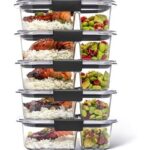 How to Store Food for Meal Prepping
 How to Store Dishes Without Taking Up Space