
In this article, we will explore effective methods for storing food to optimize your meal prepping experience. Meal prepping can save time and reduce food waste, but proper storage is essential to maintain freshness and flavour. We will cover various storage techniques, suitable containers, and tips to ensure your meals stay delicious throughout the week. Whether you’re a novice or a seasoned meal prepper, you’ll find valuable ideas and suggestions to enhance your culinary routine.
Essential Meal Prep Containers
When embarking on your meal prep journey, one of the most crucial aspects is selecting the right containers. The type of container you choose can significantly impact the quality and longevity of your meals. Here are some key factors to consider:
- Material: Opt for BPA-free plastic, glass, or stainless steel containers. Glass is great for reheating, while BPA-free plastic is lightweight and durable.
- Size: Choose a variety of sizes to accommodate different meal portions. Larger containers are ideal for bulk meals, while smaller ones work well for snacks or side dishes.
- Sealing: Look for containers with airtight seals to keep food fresher for longer. Leak-proof lids are essential for liquids and sauces.
- Microwave and Dishwasher Safe: Ensure that your containers can withstand heat and are easy to clean. This will save you time in both cooking and cleanup.
Investing in a good set of meal prep containers can significantly streamline your cooking and storage processes. For a variety of options, feel free to check out our product section on the website.
Proper Food Storage Techniques
Maintaining the freshness of your prepared meals starts with proper food storage techniques. Here are some best practices to ensure your food stays delicious and safe to eat:
Best practices for freshness
- Cool Before Storing: Allow your meals to cool to room temperature before placing them in the fridge or freezer. This helps prevent condensation and keeps your food from becoming soggy.
- Use the Right Temperature: Keep your refrigerator set to 0-5°C and your freezer at -18°C or lower. This ensures that your food is stored safely.
- Store in Portions: Divide larger meals into smaller portions. This not only makes reheating easier but also minimizes waste.
- Avoid Overcrowding: Give your containers some space in the fridge or freezer to allow for proper airflow and cooling.
Implementing these storage techniques will help keep your meals fresh and ready to eat throughout the week.
Organising Your Fridge and Freezer
A well-organised fridge and freezer can make your meal prep more efficient. By maximising space effectively, you can easily find what you need and reduce food waste.
Maximising space effectively
- Use Clear Containers: Clear containers allow you to see what’s inside without opening them, making it easier to grab meals on the go.
- Stackable Containers: Invest in stackable containers to make the most of vertical space, especially in your freezer.
- Designate Zones: Create specific areas in your fridge and freezer for different types of food, such as proteins, vegetables, and snacks.
- Regularly Clean Out: Schedule a weekly clean-up to check for expired items and reorganise as necessary.
Keeping your fridge and freezer organised not only saves time but also enhances your meal prep experience.
Labeling and Dating Your Meals
One of the most effective ways to keep track of your meal prep is by labelling and dating your containers. This simple step can help avoid confusion and ensure food safety.
Keeping track of your prep
- Use Good Quality Labels: Invest in waterproof labels that can withstand moisture, especially if you plan on using them in the freezer.
- Date Your Meals: Always write the date on your containers so you know when they were prepared. This helps you consume older meals first.
- Include Meal Details: Note the contents of each container, which can be especially helpful if you prepare multiple meals at once.
- Colour Code: Use colour-coded labels for different meal types or dietary preferences, making it quicker to find what you need.
By keeping your meals clearly labelled and dated, you’ll reduce the risk of food waste and ensure you know exactly what you have on hand.
Safety Tips for Meal Prepping
Food safety is paramount when it comes to meal prepping. Following the correct procedures can help prevent foodborne illnesses and keep your meals safe to eat.
Ensuring food safety
- Wash Your Hands: Always wash your hands thoroughly before handling food to prevent contamination.
- Keep Raw and Cooked Separate: Use different cutting boards and utensils for raw meats and other foods to avoid cross-contamination.
- Cook to the Right Temperature: Ensure that meats are cooked to a safe internal temperature to eliminate harmful bacteria.
- Refrigerate Promptly: Store leftovers in the fridge within two hours of cooking to prevent bacterial growth.
Incorporating these safety tips into your meal prep routine will help keep your food safe and nutritious.
Reheating and Serving Meals
Reheating your meals properly is just as important as preparing them. Quick and safe methods can help you enjoy your meal prep without compromising on quality.
Quick and safe methods
- Microwave: Use microwave-safe containers and cover meals to retain moisture. Stir halfway through for even heating.
- Oven: Reheat meals in the oven at a low temperature (around 180°C) for a crisp finish.
- Stovetop: For soups and stews, reheating on the stovetop is a great way to maintain flavour and texture.
- Thawing: Never defrost food at room temperature. Use the fridge, microwave, or cold water for safe thawing.
By following these reheating methods, you can enjoy your meal prep creations in their best form, making mealtimes quick and enjoyable.
In conclusion, meal prepping can be an efficient way to save time and maintain a healthy diet. By using the right containers, proper storage techniques, and adhering to safety guidelines, you can make the most of your meal prep experience. Don’t forget to browse our website for more information and ideas to enhance your meal prepping journey!
 How to Store Dishes Without Taking Up Space
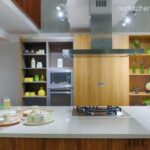 How to Maintain Order on Open Shelves
 How to Keep Your Kitchen Eco-Friendly