
This article will delve into effective methods for storing food in glass jars, emphasizing the advantages of this eco-friendly choice. We will discuss a variety of foods that are ideal for jar storage, offer tips on preserving freshness, and provide ideas for organizing your pantry efficiently. Furthermore, you will discover recommendations on how to label and maintain your jars for optimal use, ensuring that your food stays safe and easily accessible.
Before continuing, we recommend some products that might be of interest:
- My Thoughts on NETANY Overnight Oats Jars: Are They a Good Choice?
- My Thoughts on the Ball Wide Mouth Mason Jars Set: A Must-Have?
Benefits of Glass Jar Storage
Storing food in glass jars has become increasingly popular among health-conscious individuals and eco-friendly advocates. The transition from plastic to glass is not merely a trend but a movement towards better food preservation and sustainability. Here are some prominent advantages of using glass jars for storage:
- Non-Toxic Material: Glass is a non-reactive substance, which means it won’t leach harmful chemicals into your food, unlike some plastics.
- Durability: With proper care, glass jars can last a lifetime, making them a more sustainable option compared to single-use plastic containers.
- Visibility: Glass jars allow you to see the contents easily, which helps in tracking your food inventory and reduces the chances of food waste.
- Versatile Use: These jars can be used for various purposes, from storing dry goods like grains and nuts to liquids like sauces and soups.
- Environmentally Friendly: Glass is recyclable and can be reused multiple times without losing quality, making it a responsible choice for the planet.
Choosing the Right Glass Jars
Selecting suitable jars for storage is crucial for maintaining food quality and safety. Here are some factors to consider when choosing glass jars:
- Size: Depending on your storage needs, opt for various sizes. Smaller jars are ideal for spices and herbs, while larger jars can hold bulk items like pasta and rice.
- Shape: Straight-sided jars are easier to clean and fill, whereas wide-mouth jars allow for easier access to contents.
- Seal Type: Look for jars with airtight seals, as these help to preserve freshness and prevent contamination.
- Material Quality: Ensure that the glass is thick and sturdy to withstand temperature changes and potential impacts.
Preparing Food for Storage
Proper preparation of food is essential to maximize the shelf life and safety of your stored items. Here are the steps to prepare food correctly before placing it in glass jars:
- Clean the Food: Rinse fruits and vegetables thoroughly to remove dirt and pesticides.
- Dry Completely: Make sure the food is completely dry to avoid moisture buildup, which can lead to spoilage.
- Cut into Suitable Sizes: If necessary, chop or slice food into manageable pieces for easy storage and serving.
- Pre-cook if Needed: For some items like meats and sauces, cooking beforehand can enhance preservation and flavour.
- Cool Before Storing: Ensure that hot foods have cooled to room temperature before placing them in jars to prevent thermal shock.
Sealing Techniques
Effective sealing is vital for preserving the freshness and quality of stored food. Here are some methods for sealing jars effectively:
- Water Bath Canning: Ideal for high-acid foods like fruits, this method involves submerging jars in boiling water to create a vacuum seal.
- Pressure Canning: For low-acid foods such as vegetables and meats, pressure canning is necessary to eliminate bacteria and ensure safety.
- Using Airtight Lids: Ensure that the lids fit properly and are in good condition to create an airtight seal.
- Freezing in Jars: For liquids, leave some headspace at the top of the jar to allow for expansion when freezing.
Labeling for Organisation
Proper labelling is essential for keeping your storage organised and ensuring you use food before it goes bad. Here’s why labelling jars is so important:
- Track Expiry Dates: Clearly mark the date of storage to help monitor freshness and reduce food waste.
- Identify Contents: Labelling helps you quickly identify jar contents, saving time when cooking or preparing meals.
- Special Dietary Needs: If you or someone in your household has dietary restrictions, labels can help avoid allergens and unsuitable foods.
Cleaning and Maintenance Tips
Keeping your glass jars clean and functional is crucial for maintaining food safety and hygiene. Here are some tips:
- Wash Before First Use: Always wash jars and lids in hot, soapy water or run them through a dishwasher before using them for storage.
- Regularly Inspect: Check jars for cracks or chips regularly, as these can compromise the seal and safety of the food inside.
- Use Non-abrasive Cleaners: When cleaning, avoid harsh chemicals or abrasive materials that could scratch the glass.
- Store in a Cool, Dry Place: Keep jars in a cool, dry area away from direct sunlight to prevent degradation of contents and seals.
In conclusion, glass jar storage is an excellent method for preserving food while being environmentally conscious. For more ideas and options related to glass storage solutions, feel free to browse our product section on the website. Happy storing!
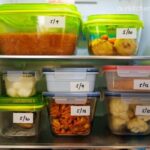 The Best Way to Store Leftovers Safely
 How to Declutter a Kitchen in One Hour
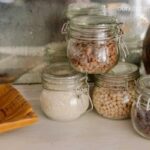 How to Store Rice and Grains Without Bugs