
In this article, we will explore effective strategies for decluttering your kitchen in just one hour, allowing you to create a more organised and efficient space for cooking and entertaining. We will provide practical ideas and suggestions to help you streamline your kitchen items, maximise storage, and ultimately transform your culinary area into a more enjoyable environment. Whether you’re facing a small kitchen or a larger space filled with clutter, these tips will be invaluable in achieving a tidy and functional kitchen.
Assessing Your Kitchen Space
Before embarking on your decluttering journey, it’s essential to assess your kitchen space thoroughly. Take a step back and observe how you currently use your kitchen. Consider the layout, functionality, and flow of movement. Is there an area that feels cramped? Are there items that you haven’t used in months? Understanding these aspects will help you pinpoint where decluttering is needed most.
To get started, you might want to:
- Take measurements of your kitchen if you plan to rearrange or add storage solutions.
- Identify frequently used items versus those that are rarely used.
- Note any problem areas that require immediate attention, such as overflowing drawers or countertop clutter.
Gathering Decluttering Supplies
Once you have assessed your kitchen space, the next step is to gather the necessary supplies for decluttering. Having the right tools on hand can make the process smoother and more efficient. Here’s a list of items you may need:
- Boxes or Bins: For sorting items into categories such as keep, donate, and discard.
- Labels: To identify boxes and bins, making it easier to find items later.
- Cleaning Supplies: A cloth, spray cleaner, and trash bags for a quick clean-up after decluttering.
- Timer: Setting a timer can help keep you focused and motivated to finish within your one-hour goal.
Sorting Through Items
Now comes the exciting part: sorting through your kitchen items. Begin by tackling one area at a time, such as a drawer or a cupboard. Here’s a simple process to follow:
- Empty the Area: Remove everything from the space you’re decluttering. This helps you see everything you own in that area.
- Assess Each Item: Ask yourself questions like, “When did I last use this?” or “Do I really need this?” If it doesn’t serve a purpose or bring you joy, consider letting it go.
- Sort Items: Place each item into the designated boxes or bins. Remember to keep like items together, such as pots, pans, utensils, and gadgets.
Finding a Home for Essentials
After sorting, it’s time to find a proper home for the items you’ve decided to keep. Efficient organisation will not only create a tidy kitchen but also enhance functionality. Here are some tips to organise your essentials:
- Store Frequently Used Items at Eye Level: Keep the items you use daily within easy reach to save time and effort.
- Use Clear Containers: For items like pasta or snacks, clear containers can help you quickly identify what you have, reducing food waste.
- Maximise Vertical Space: Consider using shelves, hooks, or magnetic strips to utilise wall space effectively.
- Group Similar Items Together: This helps you find what you need quickly and keeps your kitchen looking tidy.
Donating or Disposing of Unwanted Items
Once you’ve sorted through your kitchen items, it’s time to decide what to do with what you no longer need. Donating or disposing of unwanted items responsibly is crucial:
- Donation: Items in good condition can be donated to local charities, shelters, or food banks. Many organisations are often in need of kitchenware and utensils.
- Recycling: Check if any of your items can be recycled, such as glass jars or cardboard packaging.
- Disposal: For items that are broken or unusable, ensure you dispose of them properly according to your local waste management guidelines.
Creating a Maintenance Plan
After decluttering your kitchen, the key to keeping it organised is to develop a maintenance plan. Here’s how you can ensure your kitchen stays neat:
- Daily Clean-Up: Spend a few minutes each day tidying up to prevent clutter from accumulating.
- Weekly Check-Ins: Set aside time each week to review your kitchen items and remove anything that no longer belongs.
- Seasonal Declutter: Every few months, revisit your kitchen to reassess your items and declutter as necessary.
Final Touches for a Neat Kitchen
Finally, add some finishing touches to create a pleasant kitchen atmosphere. Here are a few suggestions:
- Add Personal Touches: Display items that reflect your personality, such as artwork or decorative jars.
- Incorporate Plants: A small herb plant or fresh flowers can brighten up your kitchen and improve air quality.
- Invest in Organisers: Consider drawer dividers or shelf organisers to maintain order over time.
Remember, decluttering your kitchen is not just about creating a tidy space; it’s about fostering a functional environment that inspires creativity and joy in cooking. If you’re looking for tools and storage solutions to assist you in maintaining your newly organised kitchen, be sure to check out our product section on our website!
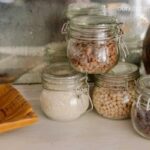 How to Store Rice and Grains Without Bugs
 How to Store Coffee Grounds and Filters
 How to Clean a Toaster Crumb Tray