
This article will delve into effective strategies for rotating food in your pantry to minimise waste and maximise freshness. We will examine the significance of proper pantry management, offer practical ideas for organising your food items, and provide valuable suggestions on how to monitor expiry dates. By applying these techniques, you can ensure that your pantry stays efficient while contributing to the reduction of food waste in your home.
Before continuing, we recommend some products that might be of interest for ordering food and kitchen utensils. Additionally, if you would like to see the entire category of all «Kitchen Racks & Holders« products, you can view them here.
- SONGMICS Kitchen Shelf Set
- Vtopmart 6 PCS Clear Plastic Storage Bins
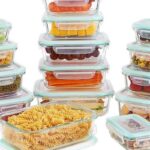
- Vtopmart Glass Storage Containers Set
- Vtopmart 24-Piece Food Storage Containers
Understanding Food Rotation
Food rotation is a vital practice that helps in managing food items in your pantry effectively. It involves arranging your food products in a way that ensures older items are used up before newer ones. This practice not only minimises food waste but also helps maintain the quality and freshness of your ingredients.
Food items, especially perishables, have a limited shelf life. By understanding the importance of food rotation, you can significantly reduce the chances of spoilage and save money. It’s essential to recognise that food rotation is not just about dates; it’s also about keeping your pantry organised and accessible.
Organising Your Pantry
A well-organised pantry is the foundation of effective food rotation. Here are some strategies to consider when organising your pantry:
- Group Similar Items: Arrange your pantry by categories such as grains, canned goods, snacks, and spices. This makes it easier to locate items and assess what you have.
- Use Clear Containers: Storing food in clear, labelled containers can help you keep track of what you have and when you purchased it.
- Utilise Shelves Wisely: Place frequently used items at eye level and less-used items higher or lower. This ensures that you can easily access the foods you use most often.
- Leave Space for New Items: Make sure there’s enough room in your pantry for new purchases without overcrowding the existing items.
By implementing these organisational methods, you’ll create a more efficient system that encourages food rotation and reduces waste.
Utilising the FIFO Method
The First In, First Out (FIFO) method is an effective strategy for food rotation. This approach involves using the oldest products first before consuming newer ones. Here’s how to implement FIFO in your pantry:
- Check Expiry Dates: Always check the expiry dates of items when you add them to your pantry. Place newer items behind older ones.
- Designate a ‘Use First’ Area: Reserve a specific shelf or section for items that are closer to their expiry date.
- Regularly Reassess: When you take out items to use, always return them to their designated spots according to the FIFO principle.
Using the FIFO method not only helps in reducing waste but also ensures that you’re consuming food at its best quality.
Monitoring Expiry Dates
Regularly monitoring expiry dates is crucial for maintaining a healthy pantry. Here are some effective ways to keep track:
- Keep a List: Maintain an inventory list of your pantry items along with their expiry dates. You can use digital tools or simply a notepad.
- Label Everything: Use labels on containers and packets to indicate purchase or expiry dates. This will help you make informed decisions when selecting food items.
- Set Reminders: Use your phone or calendar to set reminders for checking the pantry and rotating items.
By keeping a close eye on expiry dates, you can avoid consuming expired products and reduce the risk of food waste.
Creative Uses for Near-Expiry Foods
Instead of discarding food that is nearing its expiry date, consider these creative uses:
- Cooking and Baking: Use near-expiry ingredients in soups, stews, or baked goods. For example, overripe bananas can be transformed into delicious banana bread.
- Preserving: If you have fruits or vegetables that are reaching their expiry, consider canning or freezing them to prolong their shelf life.
- Composting: For food items that are no longer edible, composting can be an eco-friendly way to repurpose them.
Getting creative with near-expiry foods not only helps cut down on waste but also encourages culinary experimentation.
Regular Pantry Audits
Conducting regular audits of your pantry is essential for effective food management. Here’s how to do it:
- Schedule Regular Checks: Set a specific time every month or quarter to review your pantry. This will help you stay on top of what you have.
- Assess Your Stock: Look for items that are nearing expiry, and plan meals around them to ensure they are used.
- Declutter: Remove any expired or unwanted items during your audit to keep your pantry fresh and organised.
Regular audits will help maintain the integrity of your pantry and ensure that food is consumed before it spoils.
Tips for Preventing Waste
Preventing waste requires mindful practices and habits. Here are some tips to keep in mind:
- Plan Meals: Create a meal plan based on the items you already have in your pantry. This will help you use what you have and minimize unnecessary purchases.
- Shop Smart: Stick to your shopping list and avoid impulse buys that you may not use.
- Educate Yourself: Learn about food storage techniques to increase the longevity of your items.
By implementing these strategies, you can create a more sustainable pantry that reduces waste and promotes mindful consumption.
In conclusion, effective food rotation and pantry management are essential practices that can help you save money and reduce waste. For more information and ideas on related topics, feel free to browse our website, where we also have a product section to explore.
 How to Keep Your Kitchen Paper-Free
 Tips to Keep Your Kitchen Smelling Fresh Naturally
 How to Choose Safe Food Storage Containers