In this article, we will delve into a variety of strategies and innovative concepts designed to assist you in maintaining a kitchen that is devoid of paper products. From reusable alternatives to smart organisational tips, we will offer practical suggestions that not only aim to reduce waste but also encourage a more sustainable way of living. Whether you are eager to minimise clutter or simply wish to embrace eco-friendly practices, these insights will lead you towards a cleaner, greener kitchen environment.
Benefits of a Paper-Free Kitchen
Transitioning to a paper-free kitchen can yield significant benefits, both for your household and the environment. Here are some advantages of going paperless:
- Environmental Impact: Reducing paper waste contributes to less deforestation and lowers the carbon footprint associated with paper production.
- Cost Savings: By cutting down on paper products like towels and napkins, you can save money over time.
- Cleaner Space: A paper-free kitchen often feels more organised and less cluttered, making it easier to maintain.
- Improved Hygiene: Reusable items can be washed and sanitised more effectively than single-use paper products.
Essential Tools and Alternatives
To successfully create a paper-free kitchen, you’ll need to invest in some essential tools and alternatives. Here’s a list of must-have kitchen items:
- Reusable Cloths: Microfibre cloths or cotton rags are excellent for cleaning and can be washed and reused multiple times.
- Silicone Baking Mats: These are great replacements for parchment paper, providing a non-stick surface for baking.
- Cloth Napkins: Ditch the disposable paper napkins for stylish and eco-friendly cloth options.
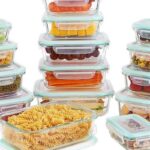
- Glass Storage Containers: Ideal for leftovers and meal prep, glass containers eliminate the need for plastic wrap.
Tips for Reducing Paper Use
Implementing practical strategies to minimise waste can help you achieve a paper-free kitchen. Here are some effective tips:
- Plan Meals: Create a meal plan to reduce the need for takeout menus and paper shopping lists.
- Go Digital: Use apps to track grocery lists and recipes instead of writing them down on paper.
- Compost Food Waste: Instead of using paper towels for spills, compost organic waste to reduce overall waste.
- Be Mindful: Evaluate your current paper usage and identify areas where you can make substitutions.
Cleaning without Paper Towels
Effective cleaning methods can keep your kitchen spotless without relying on paper towels. Here are some alternatives:
- Reusable Cloths: As mentioned earlier, these can be used for various cleaning tasks, from wiping counters to drying dishes.
- Spray Bottles: Fill them with a mixture of water and vinegar or other eco-friendly cleaners for quick and effective cleaning.
- Natural Sponges: Opt for biodegradable sponges that can be used and composted when worn out.
- Floor Mops: Use washable mop pads instead of disposable ones to clean your kitchen floor.
Storing Food Sustainably
Eco-friendly storage solutions can help keep your food fresh while reducing your reliance on paper products. Here’s what to consider:
- Beeswax Wraps: These reusable wraps are perfect for covering bowls or wrapping sandwiches, effectively replacing plastic wrap.
- Reusable Silicone Bags: Ideal for snacks and leftovers, these can be washed and reused for years.
- Glass Jars: Use them for pantry storage, keeping food items fresh while eliminating the need for paper bags.
- Food Huggers: These silicone covers can help preserve half-eaten fruits and vegetables without waste.
Reusable Items to Consider
Durable alternatives for everyday use can help you maintain a sustainable kitchen. Here are some reusable items to think about:
- Coffee Filters: Consider using a metal or cloth coffee filter to eliminate disposable paper filters.
- Straws: Opt for stainless steel, bamboo, or silicone straws instead of single-use plastic ones.
- Shopping Bags: Use cloth or durable shopping bags to carry groceries, reducing reliance on paper and plastic bags.
- Produce Bags: Invest in reusable mesh bags for fruits and vegetables, cutting down on the use of plastic and paper bags.
Involving the Whole Family
Engaging everyone in the process of going paper-free can make the transition smoother and more enjoyable. Here are some ways to involve the entire family:
- Educate: Teach your family about the environmental impact of paper products and the benefits of going paperless.
- Assign Roles: Give each family member specific tasks like washing cloths or managing meal planning.
- Make It Fun: Create a family challenge to see who can come up with the most creative ways to reduce paper usage.
- Celebrate Achievements: Acknowledge the efforts of each family member and celebrate milestones in your paper-free journey.
In conclusion, transforming your kitchen into a paper-free zone is not only beneficial for the environment but can also enhance your lifestyle. Incorporating reusable items and involving the whole family will make the process enjoyable. Don’t forget to check out our product section for ideas on sustainable kitchen solutions.