
In this article, we will explore practical strategies to minimise plastic usage in your kitchen, an area where single-use items often accumulate. By adopting simple changes and introducing sustainable alternatives, you can significantly reduce your environmental impact while maintaining functionality and convenience in your cooking space. From shopping habits to storage solutions, we will provide a range of ideas and suggestions to help you make your kitchen a greener place.
Ways to Minimise Plastic Use
Reducing plastic in the kitchen begins with recognizing how we interact with it on a daily basis. Here are some effective strategies to minimise plastic use:
- Carry Reusable Bags: Always bring your own reusable bags when shopping for groceries, which helps you avoid single-use plastic bags.
- Choose Loose Produce: Opt for loose fruits and vegetables instead of those that come pre-packaged in plastic.
- Bring Your Own Containers: When purchasing food from delis or takeaways, take your own containers to eliminate the necessity for plastic packaging.
- Buy in Bulk: Purchase dry goods like rice, pasta, and grains in bulk to significantly cut down on packaging waste.
Eco-Friendly Alternatives
There are numerous eco-friendly alternatives available that can replace plastic kitchen items. Consider these options:
- Glass Containers: Use glass storage jars for leftovers and meal prep instead of plastic containers.
- Bamboo Utensils: Switch to bamboo or wooden utensils and cutting boards which are biodegradable.
- Cloth Napkins: Replace paper napkins with washable cloth napkins.
- Beeswax Wraps: Use beeswax wraps instead of plastic wrap to cover food items.
Recycling Tips for Kitchen Waste
Recycling kitchen waste is a crucial step in reducing plastic consumption. Here are some tips to help you recycle more effectively:
- Know Your Local Recycling Rules: Familiarise yourself with the recycling guidelines in your area as they can vary significantly.
- Clean Before Recycling: Rinse containers before placing them in the recycling bin to avoid contamination.
- Separate Waste: Set up a dedicated recycling station in your kitchen to keep plastic, paper, and organic waste separate.
- Compost Organic Waste: Consider starting a compost bin for food scraps, which can reduce the amount of waste sent to landfills.
Choosing Sustainable Kitchen Tools
Investing in sustainable kitchen tools can make a significant impact on reducing plastic usage. Here are some ideas:
- Silicone Baking Mats: Replace disposable baking paper with reusable silicone mats.
- Stainless Steel Straws: Use stainless steel or bamboo straws instead of plastic ones.
- Cast Iron Cookware: Opt for cast iron or other durable cookware that doesn’t require non-stick coatings.
- Recycled Materials: Look for tools made from recycled materials, which can help reduce the demand for new plastic production.
Meal Planning to Reduce Packaging
Meal planning can significantly help in reducing packaging waste. Here’s how to do it:
- Plan Weekly Meals: Create a meal plan each week to ensure you buy only what you need, reducing unnecessary packaging.
- Make a Shopping List: Stick to a shopping list based on your meal plan to avoid impulse buys that often come in plastic.
- Batch Cooking: Prepare meals in bulk and freeze portions to minimise packaging from single-use items.
- Utilise Seasonal Produce: Choose seasonal fruits and vegetables, which are often available loose and with less packaging.
Storing Food Without Plastic
Storing food without plastic can be a challenge, but there are several effective methods you can adopt:
- Glass Jars: Use glass jars for storing grains, pasta, and other pantry items, ensuring they remain free from harmful chemicals.
- Fabric Bags: Store fruits and vegetables in breathable fabric bags instead of plastic ones, allowing them to stay fresh longer and reducing plastic waste.
- Wooden Boxes: Consider using wooden boxes for storage, which are both stylish and eco-friendly, adding a natural touch to your kitchen.
- Vacuum Sealing: If you need to use plastic, consider vacuum sealing food in reusable bags to extend freshness while reducing waste.
Educating Family on Plastic Reduction
Educating your family about the importance of reducing plastic use is essential for creating a more sustainable household:
- Discuss the Impact: Talk about the environmental impact of plastic waste and why it’s important to reduce it.
- Involve Everyone: Encourage all family members to participate in the process by assigning tasks like recycling or meal planning.
- Lead by Example: Show your family how to make sustainable choices by practicing them daily.
- Make it Fun: Turn learning about sustainability into a fun family activity, such as creating a plastic-free challenge.
By implementing these strategies, you can significantly reduce plastic use in your kitchen and contribute positively to the environment. For more ideas and information, we have a product section on our website where you can browse sustainable kitchen tools and eco-friendly alternatives. Explore today and join the movement towards a greener future!
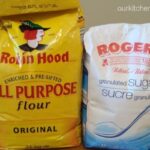 How to Store Open Bags of Flour and Sugar
 How to Maintain Food Safety While Defrosting
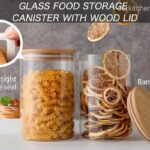 How to Store Food in Glass Jars Effectively