
In this article, we will delve into numerous tips and techniques designed to help you extend the life of your nonstick pans, ensuring they stay in excellent condition for years to come. From proper cleaning methods to the right cooking utensils, we will offer practical suggestions that can enhance the longevity and performance of your nonstick cookware. Whether you’re a seasoned chef or a passionate home cooking enthusiast, these ideas will assist you in protecting your investment and enjoying hassle-free cooking.
Choosing Quality Nonstick Pans
When it comes to nonstick pans, the quality can significantly affect both your cooking experience and the longevity of the product. Here are some key factors to consider when selecting nonstick cookware:
- Material: Look for pans made from high-quality materials, such as hard-anodised aluminium or stainless steel with a nonstick coating. These materials are durable and offer better heat distribution.
- Coating: The type of nonstick coating is crucial. Teflon, ceramic, and silicone-based coatings each have their pros and cons. Teflon is popular for its easy release and cleaning properties, while ceramic is touted for being more environmentally friendly.
- Brand Reputation: Research brands and read reviews. Established brands often have a history of producing reliable cookware and can provide insights into their product’s performance and durability.
- Warranty: A good warranty can be an indication of the manufacturer’s confidence in their product. Look for pans that come with a reasonable warranty period.
Choosing the right nonstick pan can make a significant difference not just in your cooking, but also in how long your cookware lasts.
Proper Cooking Techniques
Using your nonstick pans correctly is essential for achieving the best results and prolonging their lifespan. Here are some techniques to keep in mind:
- Use Low to Medium Heat: Nonstick pans are designed for lower temperatures. High heat can damage the nonstick coating over time. Aim to cook at low to medium heat for optimal results.
- Use the Right Utensils: Avoid using metal utensils that can scratch the nonstick surface. Instead, opt for silicone, wood, or plastic utensils that are gentle on the coating.
- Preheat Properly: Always preheat your pan before adding food. This helps to create a nonstick effect and ensures even cooking.
- Don’t Overcrowd the Pan: Cooking too much food at once can lower the temperature of the pan and lead to uneven cooking. Cook in batches if necessary.
Employing these techniques will not only enhance your cooking but also help maintain the integrity of your nonstick pans.
Cleaning and Maintenance Tips
Maintaining your nonstick pans involves more than just a quick wash after use. Here are some effective cleaning and maintenance tips:
- Hand Wash: While some nonstick pans are marketed as dishwasher safe, hand washing with a mild detergent and soft sponge is recommended to preserve the coating.
- Avoid Abrasive Cleaners: Steer clear of steel wool or harsh scouring pads that could scratch the nonstick surface. Use soft cloths or sponges instead.
- Remove Stains Promptly: If food burns onto the pan, soak it in warm, soapy water for a short period and then gently scrub it away.
- Dry Thoroughly: Always dry your nonstick pans thoroughly before storing them to prevent moisture-related issues.
By following these cleaning and maintenance tips, you can ensure the longevity and effectiveness of your nonstick cookware.
Avoiding Common Mistakes
It’s easy to make mistakes when using nonstick pans, which can lead to damages and a reduced lifespan. Here are some common pitfalls to avoid:
- Cooking on High Heat: As mentioned earlier, high heat can degrade the nonstick coating. Stick to lower temperatures for better results.
- Using the Wrong Utensils: Using metal utensils can scratch and damage the coating. Always opt for safer alternatives.
- Storing Pans Incorrectly: Stacking nonstick pans without protection can cause scratching. Use pan protectors or cloths to separate them.
- Neglecting Regular Maintenance: Failing to clean your pans properly or ignoring maintenance can lead to a build-up of residue, which can affect performance.
Being aware of these common mistakes can prevent premature wear and tear on your nonstick cookware.
Storage Solutions for Longevity
Proper storage is essential for preserving the life of your nonstick pans. Here are some tips to consider:
- Use Pan Protectors: Investing in pan protectors or placing a soft cloth between stacked pans can prevent scratching and maintain the nonstick surface.
- Hang Your Pans: If space allows, hanging your pans can prevent them from scratching against each other and keep them easily accessible.
- Store in a Cool, Dry Place: Avoid storing pans in humid areas, as moisture can lead to deterioration of the nonstick coating.
- Keep Away from Direct Heat: Ensure your pans are stored away from direct heat sources, which can warp or damage the cookware.
Implementing these storage solutions will help extend the life of your nonstick pans significantly.
When to Replace Your Pans
Even with the best care, nonstick pans will eventually need to be replaced. Here are some signs that it may be time to invest in a new pan:
- Peeling Coating: If you notice that the nonstick coating is peeling or flaking, it’s time to replace the pan to avoid ingesting harmful particles.
- Discoloration: Significant discoloration or warping can indicate that the pan is no longer safe to use.
- Loss of Nonstick Properties: If food begins to stick despite proper care, it may indicate that the nonstick surface has worn out.
- Visible Damage: Any physical damage such as dents, scratches, or cracks means it’s best to retire the pan.
Recognising these signs will help you maintain a safe and efficient cooking environment.
For more information on nonstick pans and related cookware, feel free to browse our product section on our website. We aim to provide valuable insights to help you make informed decisions about your kitchen essentials. Happy cooking!
 How to Maintain Order in Shared Kitchens
 How to Declutter Before Grocery Shopping
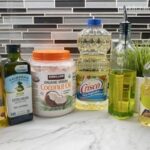 The Smart Way to Store Cooking Oils