
In this article, we will explore effective strategies for decluttering your kitchen and pantry before heading out for your grocery shopping. A well-organised space not only makes it easier to see what you need to buy but also helps prevent unnecessary purchases and food waste. We will provide practical ideas and suggestions on how to streamline your food storage areas, ensuring that you make the most of your shopping trips and maintain a tidy kitchen.
Assess Your Current Inventory
Before embarking on your grocery shopping journey, it’s essential to take stock of what you already have in your pantry and fridge. This step not only helps you avoid unnecessary purchases but also allows you to make the most of what you already own.Begin by pulling out all items from your pantry and fridge. This will give you a clear view of what you have. Group similar items together, such as canned goods, grains, spices, and condiments. Check for any items that may be nearing their expiration dates or those you haven’t used in a while.
- Check for duplicates: Are there items you have more than one of? Consider using them up before purchasing more.
- Identify staples: Note essential items you consistently use, like rice, pasta, or cooking oils, so you can restock as needed.
- Utilise a checklist: Write down what you have to avoid buying unnecessary duplicates.
Set a Shopping List
Once you have assessed your current inventory, the next step is to create a shopping list. A well-structured list will help streamline your grocery shopping experience, ensuring you gather only what you need.Start by categorising your shopping list based on sections in the store, such as produce, dairy, meats, and dry goods. This approach saves you time as you navigate through the aisles. Include the quantities needed for each item to avoid guessing while you shop.
- Prioritise necessities: Focus on items that are crucial for your meals or that you’ve run out of.
- Consider meal ideas: Think about the meals you’d like to prepare during the week and list ingredients accordingly.
- Be flexible: Be open to substituting items if your preferred brand or product isn’t available.
Organise Your Pantry
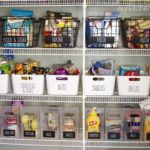
A well-organised pantry makes it easier to locate items and prevents food from being wasted. Once you have a clearer idea of what you need to buy, take the opportunity to organise your pantry space.Consider the following tips for an effective pantry organisation:
- Group similar items: Place canned goods together, grains in a separate section, and snacks in another.
- Use clear containers: Store dry goods like flour and sugar in transparent containers for easy visibility.
- Label shelves: Label the sections in your pantry so everyone in your household knows where items belong.
Check Expiry Dates
As you organise your pantry, pay special attention to expiry dates on all items. This step is crucial in ensuring that your food remains safe to consume and reduces waste.Here are some tips on how to manage expiry dates:
- First in, first out: Place newer items at the back and older items at the front so they are used first.
- Dispose of expired items: Safely throw away any products that are past their expiry dates.
- Use a rotation system: Regularly check your pantry and fridge for items nearing their expiry dates to ensure they are consumed in time.
Prioritise Fresh Produce
When it comes to grocery shopping, fresh produce should be a priority. Fresh fruits and vegetables are vital for a healthy diet, and buying them regularly ensures you have nutritious options readily available.Consider the following strategies for incorporating fresh produce into your meals:
- Seasonal selections: Opt for seasonal fruits and vegetables as they are often fresher and more affordable.
- Plan for perishables: Buy only what you can realistically use before it spoils. This helps reduce waste.
- Explore local markets: Visit local farmers’ markets for a wider variety of fresh produce and to support local growers.
Plan Your Meals
Meal planning is an effective way to streamline your grocery shopping and ensure you have healthy meals throughout the week. By planning your meals in advance, you can create a focused shopping list and reduce impulse buying.Follow these steps for effective meal planning:
- Choose a day for planning: Set aside a specific day each week to plan your meals.
- Involve the family: Ask family members for their preferences and include them in the planning process.
- Use a meal planner: Consider using a physical or digital meal planner to keep track of your meals for the week.
Streamline Your Shopping Experience
With your shopping list ready and your pantry organised, it’s time to streamline your shopping experience. This will not only save you time but also make the shopping trip more enjoyable.Here are some tips to enhance your grocery shopping experience:
- Pick the right time: Shop during off-peak hours to avoid crowds and long queues.
- Shop with a purpose: Stick to your list and avoid distractions to prevent impulse purchases.
- Consider online shopping: If possible, utilise online grocery shopping to save time and avoid crowded stores.
By following these steps, you can effectively declutter before grocery shopping, ensuring a more organised and efficient shopping experience. Don’t forget to check our product section on our website for more tips and resources to help you on your culinary journey!
 The Smart Way to Store Cooking Oils
 How to Make Your Kitchen Smell Fresh Instantly
 What’s the Best Way to Organize a Pantry?