
In this article, we will delve into the advantages of keeping a kitchen inventory list and how it can enhance your cooking and shopping experience. We will cover practical tips and strategies for creating and managing your inventory efficiently, ensuring that you always have the essential ingredients readily available while reducing waste and saving money. Whether you are an experienced chef or a beginner in the kitchen, these insights will assist you in optimizing your culinary space.
Benefits of a Kitchen Inventory
Maintaining a kitchen inventory can greatly enhance your culinary experience and streamline your cooking process. Here are some of the primary advantages of tracking supplies:
- Improved organisation: Having a clear inventory makes it easier to locate ingredients and tools when you need them, reducing time spent searching.
- Better meal planning: Knowing what you have on hand allows you to plan meals more effectively, resulting in less last-minute stress.
- Minimised food waste: By keeping track of your supplies, you can use items before they expire, leading to less waste and more savings.
- Cost efficiency: An accurate inventory helps prevent overbuying, ensuring you only purchase what you need and avoid unnecessary expenses.
How to Create Your Inventory
Setting up a kitchen inventory can seem daunting, but by following these simple steps, you can create an efficient and effective list.
- Choose a format: Decide whether you want to keep your inventory digitally (using apps or spreadsheets) or on paper.
- List all items: Begin by listing all your pantry, fridge, and freezer items, including their quantities and expiry dates.
- Organise by category: Group items into categories such as grains, canned goods, spices, vegetables, and dairy for easier navigation.
- Update regularly: Make it a habit to update your inventory each time you use an item or purchase new supplies.
Essential Items to Include
To create a comprehensive kitchen inventory, ensure you include these must-have pantry and fridge staples:
- Pantry staples:
- Flour (all-purpose and specialty types)
- Rice and pasta
- Canned goods (beans, tomatoes, etc.)
- Cooking oils (olive oil, vegetable oil)
- Spices and herbs
- Fridge essentials:
- Dairy products (milk, cheese, butter)
- Fresh vegetables (carrots, lettuce, bell peppers)
- Meats and fish
- Condiments (mustard, ketchup, sauces)
- Freezer items:
- Frozen fruits and vegetables
- Meat and fish
- Bread and baked goods
Maintaining Your Inventory
To ensure your kitchen inventory remains accurate and useful, consider these tips for regular updates:
- Check regularly: Schedule weekly or bi-weekly checks to update your inventory and note any items that need replenishing.
- Use a consistent method: Whether it’s colour coding or numbering, maintain a consistent approach to easily track your inventory.
- Adjust for seasonality: As the seasons change, so do your cooking habits. Update your inventory to reflect seasonal ingredients and recipes.
- Involve others: If you share your kitchen, encourage everyone to contribute to maintaining the inventory, making it a collaborative effort.
Tools and Apps for Inventory Management
Numerous resources can simplify tracking your kitchen inventory. Here are some useful tools and applications:
- Inventory management apps: Consider apps like Pantry Check, Out of Milk, or My Pantry to keep track of your supplies on your smartphone.
- Spreadsheets: Create a custom spreadsheet on software like Excel or Google Sheets for a personalised touch to your inventory.
- Printable templates: Look for free printable inventory templates online to help you get started if you prefer a paper-based method.
Reducing Food Waste with Inventory
An efficient kitchen inventory can play a significant role in minimising food waste. Here are some strategies to help you use your supplies wisely:
- Prioritise use by dates: Use the «first in, first out» principle, ensuring older items are used before newer ones.
- Plan meals around what you have: Create recipes based on items nearing their expiry dates to ensure nothing goes to waste.
- Get creative: Use up leftovers or surplus ingredients by experimenting with new recipes or dishes.
Saving Money Through Efficient Inventory
Effective inventory management can lead to significant financial benefits. Here’s how:
- Reduced grocery bills: By tracking what you already have, you can avoid unnecessary purchases and stick to a shopping list.
- Minimised impulse buys: With a clear inventory, you’re less likely to purchase items you don’t need, saving you money in the long run.
- Better meal planning: Efficient meal planning based on your inventory can lead to more home-cooked meals, which are typically less expensive than dining out.
In conclusion, keeping a kitchen inventory is a practical approach to managing your supplies, minimising food waste, and saving money. For more information and resources, feel free to browse our product section on our website, where you’ll find helpful tools to aid in your inventory management journey.
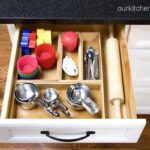 How to Organize a Drawer for Baking Tools
 How to Maintain a Zero-Waste Kitchen
 How to Keep Baking Trays Clean and Shiny