
This article will equip you with crucial tips and methods for safely storing homemade soups, ensuring they stay fresh and tasty for extended durations. We will delve into different storage techniques, such as refrigeration and freezing, while providing advice on the appropriate use of containers. Furthermore, you’ll discover helpful strategies for labeling and organizing your soups, making meal preparation simpler and more efficient.
Benefits of Storing Soups
Homemade soups are not just a comfort food; they also offer numerous health benefits. Storing soups allows you to have quick, nutritious meals on hand, which can save time during busy weeks. Moreover, cooking in bulk can be a cost-effective strategy, reducing food wastage and making the most of seasonal ingredients.
Advantages of Homemade Soups
- Nutrition: Homemade soups can be packed with vegetables, legumes, and grains, providing a well-rounded meal.
- Convenience: Having ready-made soups in your fridge or freezer means you can enjoy a hearty meal in minutes.
- Customization: You can control the ingredients, making them suitable for dietary needs and preferences.
- Cost-effective: Making large batches is often cheaper than buying pre-packaged soups.
Choosing the Right Containers
The type of container you use can significantly affect the freshness and safety of your stored soups. Selecting the right storage option ensures that your soups retain their flavour and nutrients.
Best Storage Options
- Plastic Containers: BPA-free plastic containers are lightweight, stackable, and come in various sizes. Ensure they have airtight lids to prevent spills and air exposure.
- Glass Jars: Glass is non-reactive and can be a great option for storing soups. Choose jars with wide mouths for easy pouring and cleaning.
- Freezer Bags: These are excellent for saving space in your freezer. Make sure to remove as much air as possible before sealing.
- Silicone Moulds: Ideal for portioning out soups, silicone moulds can be used to freeze individual servings which can then be easily popped out when needed.
Freezing Techniques
Freezing soups is an excellent method to prolong their shelf life and preserve their flavour. Nevertheless, it is essential to follow certain techniques to ensure effective freezing.
How to Freeze Soups Effectively
- Cool Before Freezing: Always allow the soup to cool to room temperature before placing it in containers to minimize condensation.
- Portion Control: Freeze soups in individual servings for convenient reheating. This is particularly beneficial if you live alone or desire variety in your meals.
- Leave Space: When using rigid containers, make sure to leave some space at the top for the soup to expand as it freezes.
- Avoid Freezing Dairy: If your soup includes milk or cream, consider adding it after reheating to avoid any texture changes.
Refrigeration Tips
Storing soups in the refrigerator is another effective method, especially for short-term storage. To ensure safety and freshness, follow these tips.
Safe Fridge Storage Methods
- Use Airtight Containers: Store soups in airtight containers to prevent contamination and preserve freshness.
- Store Promptly: Refrigerate soups within two hours of cooking to minimise the risk of bacterial growth.
- Consume Quickly: Soups can generally be stored in the fridge for 3 to 4 days. After that, consider freezing them.
Labeling and Dating Soups
Proper labeling is crucial for tracking the freshness of your stored soups. It can prevent food waste and ensure you’re consuming the oldest items first.
Importance of Proper Labelling
- Clear Identification: Label each container with the type of soup and the date it was made to avoid confusion.
- Track Freshness: Knowing when you made the soup helps you consume it within safe time limits.
- Reduce Waste: By keeping track of your stored soups, you can use them up before they spoil.
Thawing and Reheating Soups
Thawing and reheating your soups properly is essential to maintain their flavour and ensure food safety.
Best Practices for Safe Reheating
- Thaw in the Fridge: Always thaw frozen soups in the refrigerator overnight before reheating.
- Use a Microwave: For quick meals, you can microwave soups. Make sure to stir halfway through for even heating.
- Heat to Safe Temperatures: Ensure that soups are heated to at least 75°C (165°F) to kill any harmful bacteria.
- Add Fresh Ingredients: Consider adding fresh herbs or a splash of lemon juice just before serving to enhance flavour.
Common Mistakes to Avoid
When it comes to storing soups, there are pitfalls that can lead to spoilage or loss of flavour. Being aware of these can save you time and frustration.
Pitfalls in Soup Storage
- Overfilling Containers: Not leaving enough space in containers can lead to spills and messes when the soup expands.
- Not Cooling Properly: Failing to cool soup before freezing can result in ice crystals and a watery texture when reheated.
- Ignoring Expiry Dates: Consuming soups past their safe storage time can pose health risks.
- Freezing Soups with Dairy: As mentioned, freezing soups with dairy can alter their texture, resulting in an unpleasant mouthfeel.
Storing soups properly allows you to enjoy home-cooked meals at your convenience while ensuring safety and quality. For more tips and ideas on recipes, be sure to check out our product section on our website.
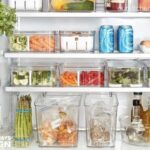 How to Keep the Fridge Door Organized
 How to Declutter After a Big Cook Day
 How to Store Reusable Bottles and Cups