
This article will examine effective strategies for storing food in limited spaces, offering useful ideas and suggestions to enhance your storage efficiency. Whether you reside in a compact apartment or are simply dealing with a lack of cupboard space, we will explore creative solutions that can assist you in organizing your food items efficiently while ensuring easy access. From the smart utilization of vertical space to innovative storage containers, you’ll discover tips tailored to a variety of living situations.
Maximising Vertical Space
When it comes to food storage, utilising vertical space can be a game changer, especially in smaller kitchens. By thinking upwards, you can create more room for your pantry items, making it easier to keep everything organised.
Use Shelves Effectively
Shelving is one of the simplest ways to maximise vertical space. Install shelves in your pantry or kitchen walls to store jars, cans, and dry goods. Here are some tips to make the most of your shelves:
- Adjustable Shelves: Opt for shelves that can be adjusted to accommodate various heights of containers.
- Label Everything: Clearly label your shelves and containers so you can find what you need quickly.
- Use the Back Wall: Don’t forget about the back wall of your shelving; it’s a perfect place for taller items.
Hang Storage Solutions
Hanging storage solutions can free up counter and floor space. Consider installing hooks or pegboards in your kitchen to hang pots, pans, utensils, or even spices. This not only keeps things within reach but also adds a decorative touch to your space.
Utilising Multi-Functional Containers
Multi-functional containers can save space and help you stay organised. Look for products that offer versatility in storage.
Choose Stackable Options
Stackable containers are ideal for maximising space in both your pantry and fridge. They allow you to create layers and make the most of the available height. When purchasing stackable containers, ensure they have airtight seals to keep your food fresh.
Invest in Vacuum-Sealed Bags
Vacuum-sealed bags are an excellent option for reducing the volume of food items, particularly for bulk purchases or leftovers. By removing air, these bags can significantly decrease storage space and prolong the shelf life of your food.
Creative Storage Solutions
Thinking outside the box can lead to innovative storage solutions that make the most of every inch in your kitchen.
Repurpose Everyday Items
Before discarding items, consider how they might serve a new purpose. For example:
- Mason Jars: Use them for storing dry goods, snacks, or even as decorative containers for utensils.
- Old Shoe Organisers: Hang them on the back of a door to store packets, spices, or condiments.
Explore Under-Bed Storage
Don’t forget that under-bed space can be a valuable asset. Use shallow bins to store less frequently used kitchen items or extra supplies. This keeps them out of sight but still accessible when needed.
Optimising Fridge and Freezer Space
An organised fridge and freezer can make meal prep easier and reduce food waste.
Organise by Category
Group similar items together in your fridge and freezer. For example, keep all dairy products on one shelf, meats on another, and fruits and vegetables in designated drawers. This makes it easier to find what you need and ensures you use items before they expire.
Use Clear Bins for Visibility
Clear bins in your fridge can help you quickly see what you have on hand. This prevents overbuying and helps you keep track of perishables. Label each bin with its contents for added convenience.
Planning and Portioning Meals
Meal planning can save time and reduce food waste by ensuring you only buy what you need.
Batch Cooking Strategies
Batch cooking involves preparing large quantities of meals at once. This method not only saves time but also allows you to portion meals into containers for easy storage. Make a variety of dishes that can be frozen and reheated for later use.
Pre-portion for Convenience
Consider pre-portioning snacks, lunches, or meals into individual containers. This not only helps with portion control but also makes it easier to grab-and-go when you’re busy.
Regular Decluttering Practices
Keeping your food storage areas clutter-free is essential for maximising space and ensuring you can find items easily.
Rotate Food Items
Adopt the «first in, first out» rule. When stocking your pantry or fridge, place older items in front so they get used first. This helps avoid waste and ensures you are consuming items before they expire.
Dispose of Expired Products
Make it a habit to regularly check your pantry and fridge for expired products. Dispose of anything that’s no longer good to eat. This not only frees up space but also keeps your food storage areas hygienic.
In conclusion, managing food storage in a limited space requires creativity and organisation. By implementing these strategies, you can maximise your storage, reduce waste, and make meal prep a breeze. For more ideas and products that can help you organise your kitchen, be sure to check out our product section on our website!
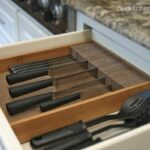 Best Ways to Store Knives Safely
 How to Clean and Maintain Reusable Straws
 How to Tell if Cooking Oil Has Gone Bad