
In this article, we will delve into effective strategies for storing cookware in deep cabinets, ensuring that your kitchen remains organised and functional. We will discuss various ideas and suggestions for maximising space, enhancing accessibility, and maintaining the condition of your cookware. Whether you have a small kitchen or simply wish to optimise your storage solutions, these tips will assist you in creating a more efficient cooking environment.
Assessing Your Cabinet Space
When it comes to storing cookware in deep cabinets, the first step is to evaluate the available space. Take a good look at the dimensions and layout of your cabinets. Consider the following factors:
- Depth: Deep cabinets can sometimes feel like a black hole, making it difficult to reach items at the back.
- Height: Consider the height of your cabinets. Are there shelves that can be adjusted to accommodate taller items?
- Accessibility: Think about how easy it is to access your cookware. Are there any barriers, or is it easy to pull out what you need?
After assessing your space, it’s essential to take measurements. This will help you identify the types of storage solutions that will fit your cabinets effectively.
Choosing the Right Storage Solutions
Selecting the right storage solutions is crucial for maximising the potential of your deep cabinets. Here are several options to consider:
- Pull-Out Shelves: These are ideal for deep cabinets, allowing you to easily access items at the back without having to reach in blindly.
- Stackable Bins: Use stackable bins to create tiers within your cabinets. This can help you organise items by size or type.
- Lazy Susans: A rotating tray can help maximise corner or deep cabinet space, making it easier to find what you need.
- Drawer Dividers: If your cabinets have drawers, consider using dividers to keep smaller items organised and easy to reach.
By choosing the right storage solutions, you can make the most of your cabinet space and ensure that everything has a designated spot.
Organising by Frequency of Use
Another key strategy in storing cookware is to organise items based on how frequently you use them. This approach not only saves time but also enhances efficiency in your kitchen. Here’s how to do it:
- Everyday Cookware: Place pots, pans, and utensils that you use daily at eye level or on the most accessible shelves.
- Occasional Items: Store items that you use less frequently, such as specialty pans or baking trays, towards the back or on higher shelves.
- Seasonal Cookware: If you have items that are only used during certain times of the year (like roasting pans for holidays), consider storing them in a less accessible area.
By categorising your cookware based on usage, you can ensure that the items you need most often are the easiest to reach.
Utilising Vertical Space Effectively
Deep cabinets often come with vertical space that can be easily overlooked. Maximising this space can significantly improve your storage capacity. Here are some tips:
- Vertical Dividers: Use vertical dividers to store baking sheets, cutting boards, or pot lids vertically, making them easier to access.
- Magnetic Strips: Install magnetic strips on the inside of cabinet doors to hold metal utensils or knives, freeing up shelf space.
- Hooks and Racks: Consider adding hooks on the inside of the cabinet for hanging pots and pans, which utilises vertical space effectively.
By thinking vertically, you can create additional storage opportunities that maximise your cabinet space.
Protecting Your Cookware
Storing cookware properly is essential for maintaining their condition. Here are some ways to protect your cookware:
- Use Liners: Consider using shelf liners to prevent scratches and damage to the surfaces of your cookware.
- Stack with Care: If you must stack pots and pans, place a cloth or paper towel between each item to prevent scratches.
- Store Lids Separately: If possible, store pot lids separately from their corresponding pots to prevent warping and damage.
Protecting your cookware can prolong its lifespan and keep it looking new.
Maintaining Easy Accessibility
Accessibility is key to effective kitchen organisation. Here are some strategies to ensure that your cookware remains easy to access:
- Labeling: Use labels on bins or shelves to easily identify where each item is stored, which can save time during meal prep.
- Regular Rotation: Rotate your cookware based on usage to keep frequently used items at the forefront.
- Keep Similar Items Together: Store similar items together to avoid rummaging through the cabinet when looking for specific cookware.
By maintaining easy accessibility, you can streamline your cooking process and enhance your kitchen experience.
Regularly Reviewing Your Setup
Finally, it’s essential to regularly review and reassess your cookware storage setup. Over time, your needs may change, and so will your cookware collection. Here’s how to stay on top of your storage:
- Seasonal Check: Every few months, take the time to assess your cookware and remove any items that you no longer use.
- Reorganise as Needed: If you find that certain items are still hard to access, consider reorganising your cabinets to improve usability.
- Stay Flexible: Be open to new storage solutions or techniques that may arise, and adapt your system to fit your evolving needs.
Regularly reviewing your setup not only helps maintain organisation but also ensures that your kitchen remains functional and efficient.
In conclusion, effective cookware storage in deep cabinets requires thoughtful organisation, consideration of accessibility, and a commitment to regular maintenance. For more ideas and tips on kitchen organisation, check out our product section on our website!
 How to Create a Coffee Station at Home
 How to Label Freezer Containers Clearly
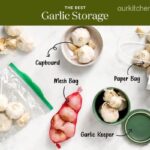 How to Store and Preserve Fresh Garlic