
This article will delve into effective strategies for organizing your deep freezer to maximize space and efficiency. We will cover practical tips on categorizing and labeling items, as well as suggestions for maintaining an organized system that allows for easy access and inventory management. Whether you’re a seasoned freezer user or just starting out, these ideas will help you make the most of your deep freeze.
Assess Your Freezer Space
Before diving into the organisation process, it’s essential to assess the space you have in your deep freezer. This will not only help you understand the capacity available but also allow you to plan how to arrange your items effectively. Start by taking everything out of the freezer and giving it a good clean. This step will help you identify any expired or unwanted items that could take up precious space.
Once your freezer is clean, measure the interior dimensions. Knowing the height, width, and depth can help you select storage solutions that fit well. Consider any shelves or bins that can maximise vertical space, making it easier to store items without overcrowding.
Sort Foods by Category
Organizing foods into categories is a vital step in freezer management. This practice not only simplifies the process of finding what you need but also aids in effectively managing your inventory. Consider the following categories:
- Meats: Gather all raw and cooked meats together.
- Vegetables: Keep all frozen vegetables in a designated section.
- Fruits: Store fruits together, particularly if you plan to use them for smoothies or desserts.
- Prepared Meals: If you batch cook, maintain all your ready-to-eat meals in one area.
- Baked Goods: Organize all your baked goods, such as bread, cakes, and pastries, in a separate section.
By categorizing your food, you’ll be able to quickly locate items and ensure you’re using them before they expire.
Use Clear Storage Bins
Investing in clear storage bins can significantly enhance your freezer organisation. These bins allow you to see what’s inside without having to rummage through the entire freezer. Opt for bins that are stackable to maximise vertical space, and choose sizes that fit well within your freezer dimensions.
Label each bin according to the categories you’ve created. For example, you could have a bin for meats, another for vegetables, and so forth. This method not only keeps your items organised but also ensures that you maintain an efficient system for accessing your food.
Label Everything Clearly
Labelling is a key component of an organised freezer. Use waterproof and freezer-safe labels to mark the contents of each bin, as well as the date they were frozen. This practice helps prevent food waste by allowing you to keep track of how long items have been in your freezer.
For bulk items, such as bags of frozen vegetables or meats, consider using a label maker or writing directly on the packaging with a permanent marker. Be sure to include the name of the item and the date it was frozen so you can easily identify it later.
Implement a First-In, First-Out System
The First-In, First-Out (FIFO) system is an effective way to manage your frozen inventory. This principle ensures that older items are used before newer ones, reducing the risk of food going to waste. To implement FIFO, place newly added items at the back of the freezer and move older items to the front. This way, you’re more likely to use them before they expire.
When you take food out, make it a habit to replace it with fresh items at the back. This simple practice can significantly reduce food waste and keep your freezer well-organised.
Maintain Regular Inventory Checks
Regular inventory checks are essential for maintaining an organised freezer. Schedule a monthly check to assess what you have, what needs to be used soon, and what you can remove. During this time, take note of any expired items and dispose of them responsibly.
Keeping an inventory list can also be beneficial. You can maintain a physical list on your freezer door or a digital one on your smartphone. This list should include the items you have, their quantities, and their expiry dates. Regular updates will help you plan meals and shopping trips more efficiently.
Tips for Efficient Packing
Finally, packing your deep freezer efficiently can make a world of difference in organization. Here are some tips to consider:
- Freeze in Portions: Consider freezing foods in meal-sized portions. This not only saves space but also allows for easier defrosting.
- Use Flat Bags: When freezing items in bags, flatten them before placing them in the freezer. This saves space and makes stacking easier.
- Keep Air Out: Ensure bags and containers are sealed tightly to prevent freezer burn. Vacuum-sealing is an excellent option for long-term storage.
- Don’t Overpack: While it may be tempting to fill every inch of space, overpacking can prevent air circulation, leading to ineffective freezing and potential spoilage.
By following these tips and strategies, you’ll be well on your way to maintaining a well-organised deep freezer. For more ideas and solutions, explore our product section on our website, where you can find various storage options tailored to your needs.
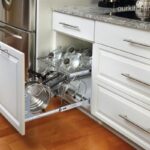 How to Store Cookware Efficiently in Small Spaces
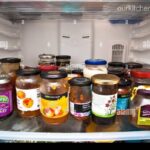 How to Store Open Jars in the Fridge
 How to Keep a Small Kitchen Functional