
This article will provide you with essential steps for cleaning and drying cutting boards effectively, ensuring they remain hygienic and in good condition. We will explore various methods suitable for different types of materials, including wood, plastic, and bamboo, and offer tips on how to maintain their longevity. Additionally, you will discover practical suggestions for removing stubborn stains and odours, ensuring your kitchen essentials stay fresh and safe for food preparation.
Essential Cleaning Supplies
Maintaining your cutting board in top condition requires the right cleaning supplies. Here’s a list of essential items you’ll need:
- Dish Soap: A gentle dish soap is ideal for removing food residues without damaging the board.
- White Vinegar: This natural disinfectant can help eliminate bacteria and odours.
- Baking Soda: Great for scrubbing away stubborn stains and deodorising your board.
- Olive Oil or Mineral Oil: Useful for conditioning wooden cutting boards and preventing them from drying out.
- Scrubbing Brush or Sponge: A non-abrasive scrubber will help you clean without scratching the surface.
These items are easy to find and can be located in your kitchen or at your local supermarket. Regular maintenance with these essential supplies will ensure your cutting board remains hygienic and functional.
Step-by-Step Cleaning Process
Cleaning your cutting board properly is crucial for food safety. Follow these simple steps to make sure your board is clean and ready for use:
- Rinse: Start by rinsing your cutting board under warm water to remove any loose food particles.
- Apply Soap: Use a few drops of dish soap applied to a scrubbing brush or sponge.
- Scrub: Gently scrub the surface of the board, paying extra attention to any stained areas.
- Disinfect: For added safety, especially after cutting raw meat, wipe the board with a solution of equal parts white vinegar and water.
- Rinse Again: Thoroughly rinse the board with warm water to remove any soap or vinegar residue.
- Dry: Pat the board dry with a clean towel before moving to the next step.
By following these steps, you’ll effectively clean your cutting board and reduce the risk of cross-contamination.
Drying Techniques for Best Results
Proper drying is essential to maintaining the integrity of your cutting board, especially if it’s made of wood. Here are some drying techniques to consider:
- Air Drying: Place your cutting board upright in a dish rack or on a clean towel to allow air circulation. This method is the most effective for wooden boards.
- Using a Towel: If you need your board dry quickly, use a clean, dry towel to wipe it down. Ensure that you dry it thoroughly to prevent moisture retention.
- Avoid the Dishwasher: Never place wooden cutting boards in the dishwasher, as the heat and moisture can warp and crack the wood.
Choosing the right drying technique will help prolong the life of your cutting board and keep it looking great.
Maintaining Your Cutting Board
Regular maintenance is vital for extending the lifespan of your cutting board, especially if it is wooden. Here are some maintenance tips:
- Oil Regularly: Apply food-safe mineral oil or olive oil to your wooden cutting board every few weeks to keep it moisturized and prevent cracking.
- Store Correctly: When not in use, store your cutting board in a dry place, preferably upright to allow air circulation.
- Avoid Excessive Moisture: Always ensure your board is completely dry after cleaning and avoid soaking it in water.
By following these maintenance tips, you can keep your cutting board in excellent condition for years to come.
Common Mistakes to Avoid
When it comes to cleaning and maintaining your cutting board, several common mistakes can lead to problems. Here are some to watch out for:
- Using Harsh Chemicals: Avoid bleach or other harsh chemicals that can damage the surface and contaminate your food.
- Not Cleaning Immediately: Failing to clean your cutting board immediately after use can lead to stains and bacteria growth.
- Neglecting to Oil: Forgetting to oil your wooden cutting board can lead to drying and cracking over time.
- Using the Same Board for All Foods: It’s best to have separate cutting boards for raw meats and vegetables to prevent cross-contamination.
Being aware of these common mistakes will help you maintain a hygienic and durable cutting board.
When to Replace Your Cutting Board
Even with proper care, there comes a time when you must replace your cutting board. Here are signs that it’s time to consider a new one:
- Deep Grooves or Scratches: If your board has deep grooves that can harbour bacteria, it’s time for a replacement.
- Warping: A warped cutting board can be difficult to use and may not provide a stable cutting surface.
- Unpleasant Odours: If your board retains odours despite cleaning, it may be time to replace it.
- Cracking or Splitting: Any visible cracks or splits can compromise the board’s integrity and hygiene.
Being proactive about replacing your cutting board can significantly improve your kitchen hygiene and cooking experience.
For more in-depth information on maintaining kitchen essentials, feel free to browse our product section on our website, where we provide various resources to support your culinary journey.
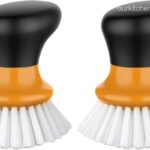 How to Keep Dish Brushes Fresh
 How to Store Open Bottles of Sauce
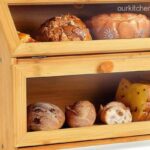 How to Store Bread Without It Getting Moldy